

Noble Path : ค้นหาหนังสือธรรมะ หน้า 7 / 8
หน้าหนังสือทั้งหมด
29
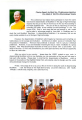
Closing Speech by Most Ven. Phrabhavanaviriyakhun
…se bear in mind that the dissemination of Buddhism, which is based on the practice of the Eightfold Noble Path, will instantly unite the Sangha and the world will automatically change for the better.
Finally, …
ในการประชุมนี้ ทุกคนมีมุมมองเดียวกันว่า การเผยแผ่พระพุทธศาสนาในยุคเทคโนโลยีสูงนั้นต้องอาศัยชีวิตตามแนวทางของพระธรรม มีการเน้นการปรับปรุงตัวเองและแก้ไขพฤติกรรม ตามห้องทั้งห้าของชีวิต การทำเช่นนี้ทำให้เ
105
Rediscovery of the Dhammakāya Tradition
mentaries for most people to understand. The knowledge of Dhammakāya is said to have diminished and eventually for some unknown reason, disappeared from Buddhism approximately 500 years after the Pari
The Dhammakāya tradition, once diminished in Buddhism, was revitalized by Luang Phaw Wat Paknam who dedicated his life to its teachings. His outreach efforts led to the tradition being acknowledged in
116
Understanding Nirvana: The Realm Beyond Existence
same happiness to us as if we were really in āyatanā nibbāna — but we are still ‘alive’ in our human body.
2. Nirvana without residual aggregates (Anupādisesa Nirvana [Nibbāna]) is the Nirvana that is
This text delves into the concepts of Āyatanā Nibbāna and Anupādisesa Nibbāna, explaining that Nirvana exists beyond the physical realm and is not bound by worldly elements. It describes Nirvana as a
175
Monitoring and Discretional Mindfulness
7.1 Monitoring Mindfulness
This form of mindfulness is mindfulness that is constantly monitoring the level of wholesomeness in the mind — never letting wholesomeness slip away from the mind and its in
Monitoring mindfulness involves a constant awareness of the wholesomeness in the mind, akin to a treasurer who tracks the assets of an emperor. It encompasses the recognition of various virtues essent
243
Buddhist Terminology and Concepts
Speech at the transcendental level) see sense consciousness) manussasampatti (see worldly wealth) Mara q.v. (P. devil, demon) maggañāṇa (see knowledge of the path out of defilements) maraṇa (see dying
This text delves into essential Buddhist terms and their meanings. It covers concepts such as Mara (the demon), Mettā (loving-kindness), and the significance of terms like 'maraṇa' (dying) and 'mutti'

14
การฝึกอบรมธรรมดา
Before Becoming
Dhammadāyāda
A Sudden Turning Point of Life
Each person has his own
varied primary motive or
inspiration in making the decision
to attend the Dhammadāyāda
Training Courses.
Dhammadāyād
Before Becoming Dhammadāyāda A Sudden Turning Point of Life Each person has his own varied primary motive or inspiration in making the decision to attend the Dhammadāyāda Training Courses. Dhammadāyād
26
The Resilient Journey of Dabbamallaputta and Rathapala
Dabbamallaputta escaped death twice. First when his mother suddenly passed away; under normal circumstances this would have meant death for the unborn child. However, he did not die. Second, when he e
Dabbamallaputta's life began with extraordinary survival, escaping death at birth and rising in the monastic community of Wat Jetavana due to his immense knowledge. Similarly, Rathapala, of noble birt
226
Understanding Key Buddhist Concepts
Inention, Right (see Right Intention)
internment in the womb, suffering
irritation (see annoyance)
jealousy 50
jewel, wish-fulfilling - metaphor for Middle Way 39
jewel-knowing 110
joy 38, 123, 130
ka
This text delves into central Buddhist themes such as the nature of suffering, the importance of right intention, and the concept of liberation. Key metaphors like the jewel of knowledge and the lion
8
Marriage from a Dhamma Perspective
self, just as he or she ought to learn about us. Once a
foundation of mutual understanding, mutual respect
and shared virtues is built, a happy marriage will
follow.
Marriage - a Dhamma point of view
Marriage is a critical aspect of life that requires careful consideration before entering. It is not just about love, but about mutual respect, understanding, and shared virtues that lead to a happy u
194
Understanding Merit in Buddhism
should think in this way. As long as the monks do not seriously
break the monastic discipline, you should think that you are
giving alms to them to replenish their energy for Dhamma
study and meditati
This text emphasizes the importance of giving alms to monks to replenish their energy for Dhamma study and meditation. It advises that both givers and receivers gain merit. It discusses the impact of
49
Pearls of Inner Wisdom: Attaining Dhammakaya
48
Pearls of Inner Wisdom
36.Portent of Success
In order to attain Dhammakaya,
we must place our mind
on the right path 10,
which is at the centre of the body,
using the right method.
When the mind is
In seeking to attain Dhammakaya, one must focus the mind on the central path within the body, employing the correct methods and optimal effort. When these elements align, the Sphere of the Initial Pat
101
Benefits of the 'Path of Progress' Dhamma Quiz
Even though youths are not Buddhists, they will also gain benefit from this “Path of Progress” Dhamma Quiz, as someone said:
“I’ve realised that this contest benefited me in different ways. Even thou
This text highlights how participants, regardless of their religious beliefs, find value in the 'Path of Progress' Dhamma Quiz. Ms. Sujanya Khetjarassang shares her positive experience, emphasizing th
60
Understanding Dhammakāya: The Essence of Transcendental Dhamma
Arhatship (arahattamagga).86 Therefore, the particular path is not a mere ‘collective title’ of the path-constituents but the ‘essential totality’ by which a ‘body’ is defined.
The dependence of funct
This text discusses the concept of Arhatship and the definition of Dhammakāya in the context of Buddhist philosophy. It argues that the path should be seen as an essential totality, forming a 'body,'
47
The Journey to Enlightenment: Sodh Chandasaro's Transformation
PHRAMONGKOLTHEPMUNI 43
the beginning of the path to spiritual attainment. He was overjoyed. Even the midday meal tasted extraordinary delicious that day. He looked forward to continuing a long medit
In this text, Sodh Chandasaro embarks on a profound meditation session, making a resolute vow to attain enlightenment similar to the Lord Buddha. As he meditates in front of the main Buddha statue, he
165
Exploring Concepts in Buddhism and Mindfulness
Sanskrit: another ancient language used in India; Buddhist scriptures in Sanskrit are translated from the Pali language; Sanskrit texts are used by the Mahayana school of Buddhism.
Seventh Base of th
This text delves into the significance of Sanskrit as an ancient language in India and its relation to Buddhist texts, particularly those influenced by the Mahayana school. It introduces the Seventh B
49
Understanding the Eightfold Path in Buddhism
Suzanne Jeffrey
"The path begins with Right View, Samma-Ditthi. This is also called Right Understand-
ing. On one level, this means that we understand that there is cause and effect: that do-
ing goo
The text outlines the initial parts of the Eightfold Path in Buddhism, emphasizing the importance of Right View, which differentiates good and bad actions based on cause and effect. Right Intention is
85
The Path of Wholesomeness and Unwholesomeness
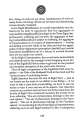
- stealing [adinnāḍāna]
- committing adultery [kāmesumicchācāra]
Unwholesome speech comprises:
- telling lies [musāvāda]
- divisive speech [pisuṇaṅāṭa]
- harsh speech, insults and swearing [pharusavaṭ
In Buddhism, ten unwholesome behaviors are cautioned against: stealing, committing adultery, lying, divisive speech, harsh speech, idle chatter, covetousness, vengeful thinking, and false views. These
145
Understanding the Eightfold Path: Right Mindfulness and Right Concentration
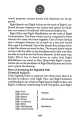
fort: doing of evils not yet done, maintainance of evils already done, not doing virtues not yet done and abandoning virtues already mastered.
As for Right Mindfulness, he would immediately and defini
This excerpt explores the significance of the Eightfold Path, specifically focusing on Right Mindfulness and Right Concentration. It emphasizes understanding the aggregates of existence as they relate
146
Understanding the Eightfold Path
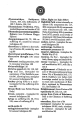
which proposes various moods and situations for its approval.
Right Speech and Right Action are the tools of Right Livelihood because whenever our actions and speech are faultless, our means of liveli
This excerpt delves into the components of the Eightfold Path, highlighting the significance of Right Speech and Right Action as essential tools of Right Livelihood. It compares virtues to friends sup
223
Exploring Dhammakāya and the Eightfold Path
Dhammakāya, Sotāpana: Effort, Right (see Right Effort)
Coarse, 108, 134; defilements of
Eightfold Path: arises internally as 136-7; Subtle, 108, 134
sphere 105; components 20, 117,
Dhammakāya Traditi
This text delves into the Dhammakāya tradition, highlighting key components of the Eightfold Path and its teachings on defilements, enlightenment, and the nature of suffering. Concepts are illustrated